
When you sit down at an online slot or a live blackjack table, the numbers on the screen do more than look pretty; they tell you how the game behaves over time. The site songsmysisterlikes.com often highlights these metrics for Australian players, helping you choose games that match your bankroll and risk appetite. As of 2026, Australian regulators require operators to publish RTP and volatility information, so you can compare titles before you place a single cent.
What is RTP (Return to Player)?
How RTP is Calculated
The game developer runs millions of simulated spins, records every win, and divides total returned money by total wagered amount. That division yields a percentage that represents the theoretical return over an extremely large sample. For instance, a slot with 96% RTP should give back $96 for every $100 you bet, assuming you could play forever. The calculation excludes casino fees, taxes, or promotional bonuses, because those factors belong to the operator, not the game engine.
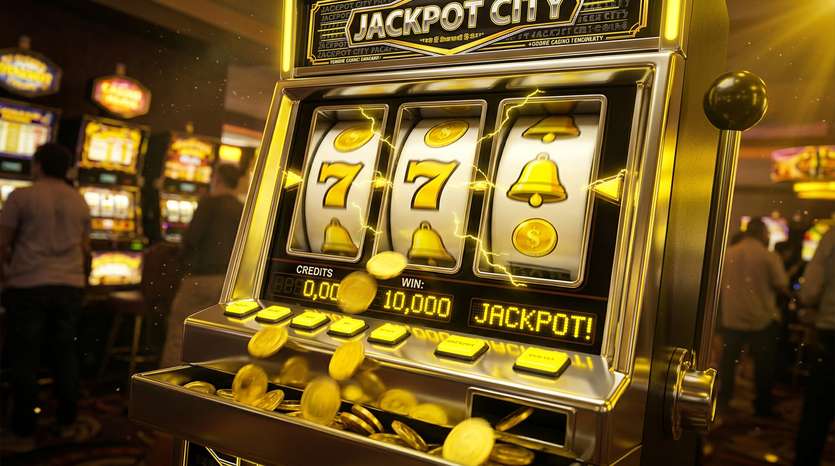
Examples from Popular Games
Greentube’s Lord of the Ocean advertises an RTP of about 95.13%, putting it in the low‑to‑medium range. Ultra Hot Deluxe, also from Greentube, nudges the figure up to 96.03%, giving players a slightly better long‑term outlook. In the live dealer arena, NetEnt Live’s Common Draw Blackjack reaches 99.5% RTP when you follow basic strategy, making it one of the most forgiving table games available.
What is Volatility (Variance)?
Low, Medium, and High Volatility Explained
Volatility measures how often a game pays and how large those payouts tend to be. Low‑volatility slots deliver frequent, modest wins that keep your balance ticking upward for a long session. Medium‑volatility titles strike a balance, offering a mix of small and occasional big wins. High‑volatility games sit on the opposite end, providing rare but potentially massive payouts that can swing your bankroll dramatically.
Volatility in Slot Games and Live Blackjack
Wazdan’s 9 Coins exemplifies high volatility, rewarding daring players with huge multipliers after long dry spells. Magic Stars 9, another Wazdan offering, leans toward medium volatility, giving you a steadier flow of wins while still allowing occasional bursts. Nucleus Gaming’s Pyramid Plunder blends medium‑to‑high volatility with a bonus‑heavy design, meaning you might wait a while before the treasure chest opens. Live blackjack, such as NetEnt Live’s Common Draw Blackjack, stays low‑volatility because each hand follows predictable probability curves.
The Relationship Between RTP and Volatility
A high RTP does not automatically mean a game pays out slowly, and low volatility does not guarantee a generous return. Both metrics operate independently, shaping your experience in different ways. Imagine a high‑volatility slot with a 97% RTP; over thousands of spins it will return $97 for every $100 wagered, but you may endure long stretches without win before hitting a jackpot. Conversely, a low‑volatility game with the same 97% RTP will hand out smaller wins more often, smoothing out the variance. Understanding both numbers lets you match a game’s payout pattern to your personal risk tolerance and session goals.
| Game | Provider | RTP | Volatility |
| Lord of the Ocean | Greentube | 95.13% | Low |
| Ultra Hot Deluxe | Greentube | 96.03% | Low to Medium |
| 9 Coins | Wazdan | 96.50% | High |
| Magic Stars 9 | Wazdan | 96.20% | Medium |
Author
Marcus Dahl writes about casino bonuses and wagering requirements; he has spent a decade analyzing game mechanics for Australian operators and advises players on maximizing value.
FAQ
How often does RTP reflect real‑world play?
RTP estimates long‑term returns, but short sessions can deviate significantly.
Can I find RTP information on every game?
Most licensed operators publish RTP, yet a few older titles may lack transparent data.
Does higher volatility mean I will lose more money?
High volatility increases the chance of long losing streaks before a big win.
Should I prefer low‑volatility slots for a small bankroll?
Low volatility helps preserve your bankroll by delivering frequent, smaller payouts.
Is live dealer blackjack always low volatility?
Live blackjack remains low volatility because each hand follows statistical odds.
